
Diwali 2026: Know the Significance of All 5 Days, From Dhanteras to Bhai Dooj

Diwali 2026 will be celebrated over five days, bringing together age-old traditions, religious rituals and family festivities across India. The celebrations will begin with Dhanteras on November 6 and conclude with Bhai Dooj on November 11. Each day holds a special meaning, whether it is welcoming wealth and prosperity, celebrating the victory of good over evil or strengthening family relationships. From shopping for gold and silver to lighting diyas and exchanging gifts, here is a look at the five important occasions of Diwali 2026 and the significance behind each celebration.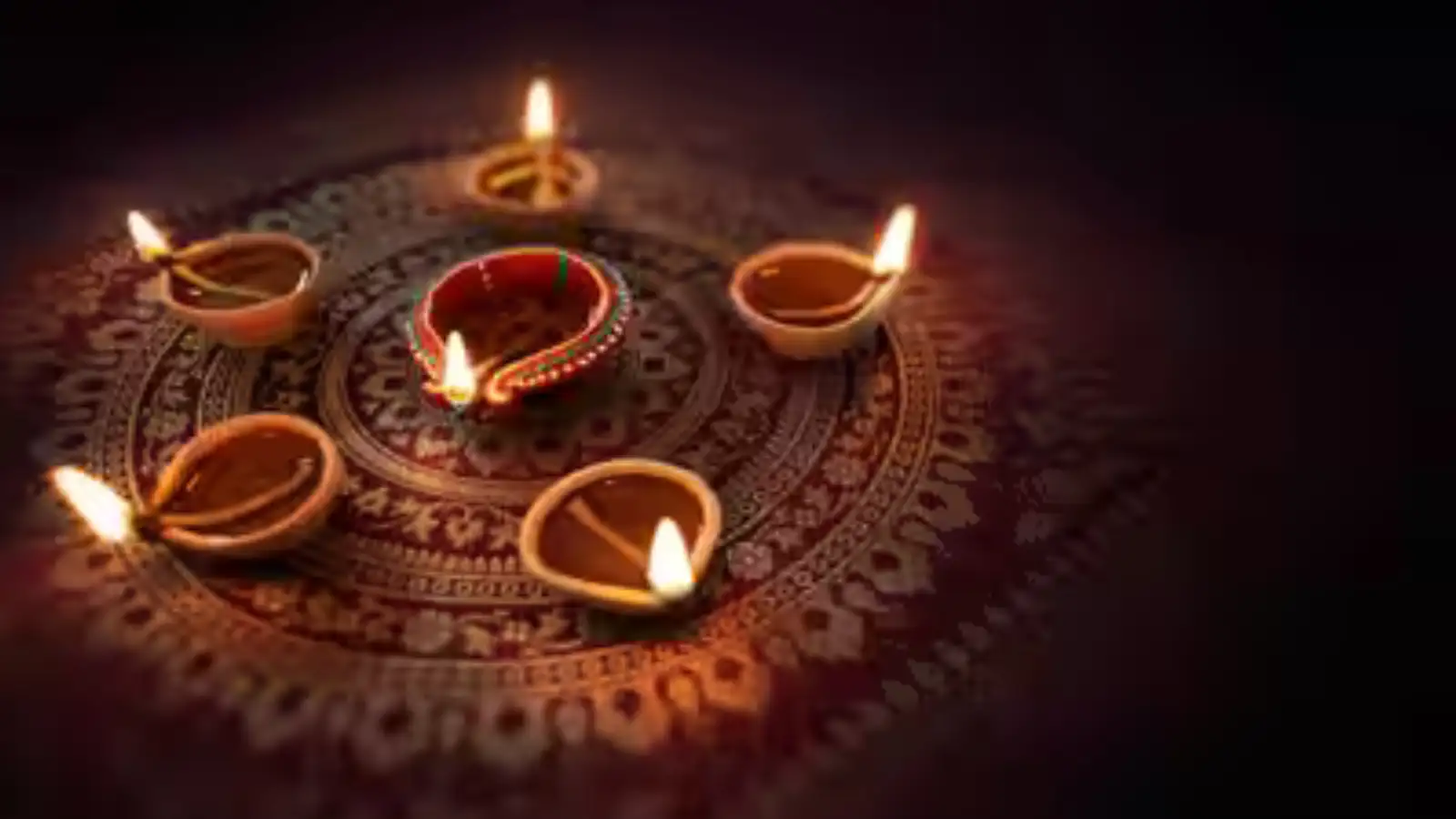
One of the most popular traditions is purchasing gold, silver, jewellery or new utensils, as these purchases are believed to bring good fortune. Many households also clean and decorate their homes, light diyas and perform prayers to welcome prosperity and positive energy.
Also Read: Diwali 2026: Why Do We Celebrate Diwali? Know the History, Significance and Traditions
People celebrate by lighting oil lamps, decorating their homes and drawing rangoli patterns near entrances. Taking an early-morning oil bath is another traditional practice associated with the festival. In 2026, the observance may fall on different dates depending on the location and the timing of religious rituals.
Homes, balconies and entrances are decorated with colourful lights, diyas and rangoli. Families come together in the evening to perform Lakshmi Puja, exchange sweets and enjoy festive meals.
Diwali also holds special significance in the Ramayana tradition. It is widely associated with Lord Rama's return to Ayodhya after defeating Ravana, with people lighting lamps to celebrate his homecoming and the victory of good over evil.
The festival is also a reminder of the importance of nature, agriculture, cattle and the resources that support human life. Devotees worship Lord Krishna and express gratitude for nature's abundance.
A major tradition associated with this day is preparing Annakut, which means a mountain of food. A variety of vegetarian dishes and sweets are prepared and offered to the deity before being distributed as prasad among devotees.
Also Read: Diwali 2026: Why Are Five Diyas Lit? Know Their Religious Significance
On this occasion, sisters apply a tilak on their brothers' foreheads and pray for their happiness, health and long life. Brothers, in return, give gifts and express their love and support. Families often celebrate by sharing traditional meals and spending quality time together.
According to Hindu mythology, Bhai Dooj is associated with the story of Yama, the god of death, visiting his sister Yamuna. The occasion symbolises the strong bond between siblings and the blessings they seek for one another.
Diwali's five-day celebrations are much more than a series of festivals. Each occasion carries a distinct message, from welcoming prosperity on Dhanteras and celebrating the victory of good over evil on Naraka Chaturdashi to seeking blessings on Lakshmi Puja and cherishing family relationships on Bhai Dooj. Although customs and celebrations may differ across regions, the spirit of Diwali remains the same: spreading happiness, embracing positivity and celebrating the triumph of light over darkness.
Diwali 2026: Five Days and Their Dates
The five-day Diwali celebrations feature different rituals and customs, with each occasion marking an important part of Hindu traditions. Here are the key dates to keep in mind:- November 6: Dhanteras
- November 7–8: Naraka Chaturdashi (Choti Diwali)
- November 8: Lakshmi Puja (Diwali)
- November 10: Govardhan Puja
- November 11: Bhai Dooj
1. Dhanteras – November 6, 2026
Dhanteras marks the beginning of the Diwali festivities and is considered an auspicious occasion to pray for wealth, good health and prosperity. The day is dedicated to Goddess Lakshmi, who represents abundance, and Lord Dhanvantari, associated with Ayurveda and well-being.One of the most popular traditions is purchasing gold, silver, jewellery or new utensils, as these purchases are believed to bring good fortune. Many households also clean and decorate their homes, light diyas and perform prayers to welcome prosperity and positive energy.
Also Read: Diwali 2026: Why Do We Celebrate Diwali? Know the History, Significance and Traditions
2. Naraka Chaturdashi – November 7–8, 2026
Popularly known as Choti Diwali, Naraka Chaturdashi commemorates the defeat of the demon Narakasura and represents the triumph of good over evil. The occasion carries the message of eliminating negativity and making room for positivity and new beginnings.People celebrate by lighting oil lamps, decorating their homes and drawing rangoli patterns near entrances. Taking an early-morning oil bath is another traditional practice associated with the festival. In 2026, the observance may fall on different dates depending on the location and the timing of religious rituals.
3. Lakshmi Puja – November 8, 2026
Lakshmi Puja is the main day of Diwali and is celebrated with great enthusiasm across India. Devotees worship Goddess Lakshmi to seek wealth, happiness and prosperity, while Lord Ganesha is also worshipped for wisdom and the removal of obstacles.Homes, balconies and entrances are decorated with colourful lights, diyas and rangoli. Families come together in the evening to perform Lakshmi Puja, exchange sweets and enjoy festive meals.
Diwali also holds special significance in the Ramayana tradition. It is widely associated with Lord Rama's return to Ayodhya after defeating Ravana, with people lighting lamps to celebrate his homecoming and the victory of good over evil.
4. Govardhan Puja – November 10, 2026
Govardhan Puja celebrates the devotion and divine protection associated with Lord Krishna. According to Hindu mythology, Krishna lifted Govardhan Hill to protect the people of Vrindavan from heavy rainfall sent by Lord Indra.The festival is also a reminder of the importance of nature, agriculture, cattle and the resources that support human life. Devotees worship Lord Krishna and express gratitude for nature's abundance.
A major tradition associated with this day is preparing Annakut, which means a mountain of food. A variety of vegetarian dishes and sweets are prepared and offered to the deity before being distributed as prasad among devotees.
Also Read: Diwali 2026: Why Are Five Diyas Lit? Know Their Religious Significance
5. Bhai Dooj – November 11, 2026
Bhai Dooj brings the five-day Diwali celebrations to a close by celebrating the special relationship between brothers and sisters. The festival is dedicated to love, affection, protection and the importance of family bonds.On this occasion, sisters apply a tilak on their brothers' foreheads and pray for their happiness, health and long life. Brothers, in return, give gifts and express their love and support. Families often celebrate by sharing traditional meals and spending quality time together.
According to Hindu mythology, Bhai Dooj is associated with the story of Yama, the god of death, visiting his sister Yamuna. The occasion symbolises the strong bond between siblings and the blessings they seek for one another.
Diwali's five-day celebrations are much more than a series of festivals. Each occasion carries a distinct message, from welcoming prosperity on Dhanteras and celebrating the victory of good over evil on Naraka Chaturdashi to seeking blessings on Lakshmi Puja and cherishing family relationships on Bhai Dooj. Although customs and celebrations may differ across regions, the spirit of Diwali remains the same: spreading happiness, embracing positivity and celebrating the triumph of light over darkness.
Next Story